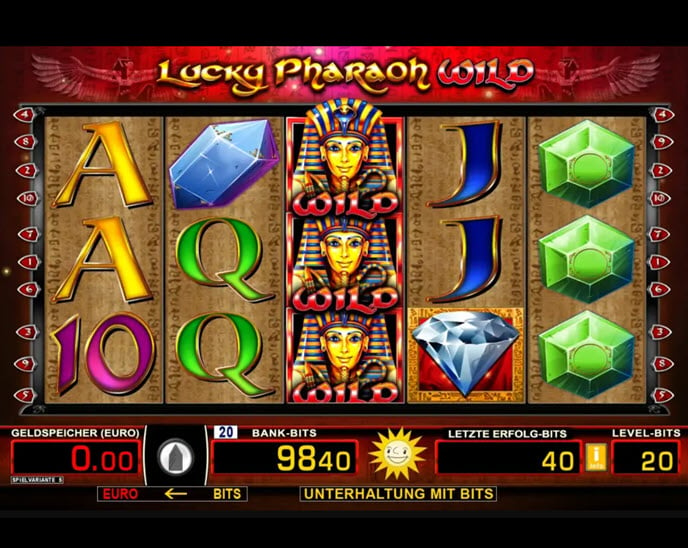
Looking at senior health in the UK entails examining a whole life https://luckypharaohcasino.com/. That covers the things people do for fun, even something as particular as playing an online slot game like Lucky Pharaoh Slot. This isn’t an advertisement for gambling. It’s a examination of how the ideas behind such games—participation, mental challenge, enjoyment—touch the same areas that good geriatric care targets. For many older people, maintaining mental acuity and maintaining social connections is just as vital as physical health. To really assist someone, you need to see all parts of their life, from doctor’s visits to how they spend a quiet afternoon. This article seeks to link those aspects, offering a full picture of how to promote a vibrant and balanced life for older adults in the UK, where safety and informed choices always come first.
Daftar isi
Grasping Modern Geriatric Care in the UK
Geriatric care within the UK nowadays is far more than pills and prescriptions. It represents a complete, person-centred model that looks after an older adult’s physical, mental, social, and emotional health. The system, founded upon the NHS and backed by private and charity groups, works to help people live independently for as long as possible. This takes a team: GPs, specialist nurses, occupational therapists, and social workers all working together on a single care plan. They manage ongoing conditions like arthritis, diabetes, and dementia, while also striving to prevent crises like falls, poor nutrition, or loneliness. This integrated view is vital. A health problem seldom occurs in isolation. A fall can undermine confidence, which may lead to depression and then more physical trouble. So a care visit now is just as focused on having a chat and checking the home environment as it is about reading a blood pressure cuff.
Examining Digital Entertainment: The Case of Lucky Pharaoh Slot
Examining a digital entertainment choice like Lucky Pharaoh Slot from a care perspective requires a balanced and critical view. Thematically, such games often use history or mythology, which can be interesting. The bright colours, sounds, and pattern-matching in slot games deliver sensory and mental input. But the main point here is caution. Real-money gambling involves serious risks, including financial loss and addictive behaviour, especially for vulnerable people. It would be irresponsible to recommend it. The useful analysis is to see what makes these games engaging—clear goals, instant feedback, an immersive theme—and then look for those elements in safer places. For example, puzzle apps with an Egyptian archaeology theme or simple matching games can deliver similar cognitive rewards without any financial risk. This aligns perfectly with the core care principle: first, do no harm.
Social Bonds and Its Effect on Elderly Health
Solitude is a hidden problem for many older people, with profound implications for mental and physical health. Without consistent interaction, dangers for sadness, anxiety, cardiovascular conditions, and cognitive decline can increase. On the flip side, a robust social circle provides emotional backing, reduces stress, and can promote better habits. All over the UK, neighbourhood centres, “Men’s Sheds,” and befriending services act as crucial lifelines. But social contact can also occur digitally now, through virtual meetings, social media groups for seniors, or discussion boards on common hobbies. The method isn’t as significant as the interaction itself: consistent, meaningful interaction. For some, a conversation starter might be a common interest like gardening, or even the subjects found in popular entertainment, such as an online game about ancient Egypt. The theme is less significant than the bond it creates.
Common Questions
What are the signs if a recreational activity is safe and suitable for my aging parent?
Seek out a few key signals. They should find it enjoyable without displaying discomfort. It shouldn’t result in physical strain. There should be zero financial risk at all. A good activity suits their intellectual and physical skills, providing a mild challenge that prevents frustration. Observe their mood while engaged and afterward. The activity should leave them engaged, not stressed or detached. If you’re in doubt, particularly regarding physical pursuits, consult their GP or an occupational therapist. The last check is easy: does it contribute positively to their life without any adverse effects?
Are online games like Lucky Pharaoh Slot totally prohibited for seniors?
When it comes to monetary betting, the advice is strongly against it. The hazards of monetary loss and dependency are too serious, especially for susceptible persons. But the underlying concepts—pattern recognition, a narrative theme—can be discovered in perfectly safe places. If an elderly person is drawn to the Egyptian theme, direct that interest toward documentaries, reading materials, or free digital puzzle games with similar motifs. That provides the engagement without any of the hazard.
What constitutes the most overlooked aspect of care for the aged in the UK today?
Often, it’s the active tackling of social isolation and the need for mental stimulation. Physical health deservedly gets a lot of focus. But the significant effect of loneliness and an idle mind on overall health is sometimes missed. Regular social contact and engaging “brain exercises” aren’t just extras. They are basic healthcare needs. Addressing them can prevent more severe, costly conditions later on, and it helps preserve a person’s autonomy and worth.
How can I help a tech-averse senior engage with digital activities for cognitive health?
Start slow and make it a collaborative activity. Use a tablet for a video call with grandchildren—the happy faces provide instant positive reinforcement. Try simple apps with large buttons together, focusing on things they already like, like digital solitaire or jigsaw puzzles. Present the technology as a tool for connection and fun, not a complicated chore. Patience is key. Celebrate the small wins. Often, once that initial hurdle is surpassed, a whole world of educational and connective content opens up, becoming a real tool for them.
Enhancing senior health in the UK demands a holistic approach that addresses the whole person. Clinical care provides the essential backbone. But the rich threads of mental stimulation, social connection, and safe, enjoyable leisure are what create a fulfilling later life. This may stem from traditional hobbies, community groups, or thoughtfully picked digital pastimes. The goal remains the same: to help older adults live with dignity, autonomy, and joy. By thoughtfully blending these elements into a tailored, coherent plan, we can make a real difference to the quality of life and resilience of seniors across the country.
The significance of Mental Stimulation for Seniors
Cognitive sharpness is central to a fulfilling life in later years. Consistent mental stimulation isn’t a nice-to-have; it’s a must. Just as a muscle weakens without use, so can the brain. Challenging it helps maintain memory, processing speed, and problem-solving skills. It can reduce cognitive decline. The activities that deliver this stimulation are wonderfully broad. They span from classic crosswords and reading to learning a new skill like using a digital camera or speaking a few phrases of Italian. The secret is novelty and a bit of challenge. The brain creates new pathways when it encounters something fresh. This is why even examining games that involve strategy or spotting patterns, a feature of many leisure activities, has value. The goal is to find regular, enjoyable practices that stimulate the mind. That sense of accomplishment and purpose is essential for overall mental health.
Creating a Comprehensive Health Plan for UK Seniors
An efficient health plan for an older person in the UK weaves every aspect of well-being into a unified, manageable routine. This isn’t a standard prescription. It’s a personal strategy made with the senior, their healthcare team, and often their family or carers. The most successful plans tend to rely on five pillars. The first is medical management: taking medication properly, going to check-ups, and addressing chronic conditions. Second is nutrition: eating a healthy diet to sustain body and mind. Third is physical activity: safe, regular movement to keep mobility and strength. Fourth is cognitive exercise: a schedule of the stimulating activities we’ve mentioned. The fifth pillar, just as vital, is social and emotional well-being: planned social time and pursuits that bring simple joy. The value comes from how these pillars work together. That synergy creates resilience and lifts overall quality of life.
Establishing this work demands some structure. Families and carers can support draft a weekly schedule. It might look something like this:
- Monday: A morning walk in the park (physical/social), then a crossword puzzle (cognitive).
- Tuesday: A GP or clinic appointment if needed (medical), followed by a phone call with a family member (social).
- Wednesday: Visit to a local community lunch club (social/nutrition), then an afternoon listening to music or an audiobook (cognitive/emotional).
- Thursday: Light gardening or caring for houseplants (physical/cognitive), then a virtual museum tour (cognitive).
- Friday: Weekly shopping or cooking a new simple recipe (physical/nutrition), then watching a favourite TV show or film (emotional/leisure).
Safe Leisure Activities for Cognitive Engagement
Choosing safe and stimulating things to do is a critical part of healthy ageing. The best activities are rewarding, work the mind, and don’t bring physical or financial harm. A diverse mix of pastimes works best. Traditional options still hold great value. Joining a book club stretches comprehension and debate skills. Gardening fosters planning and sensory engagement. Light crafts like knitting help with fine motor skills and pattern recognition. Then there’s the digital world. Brain training apps, virtual tours of museums, or simple, non-monetary games can give the brain a solid workout. The guiding principle is controlled engagement. Any activity should have clear boundaries, be limited in time, and never cause stress or money concerns. It’s wise to explore any new pastime, especially digital ones, within a firm framework of safety and moderation.
Applying this into practice often helps to have a plan. Seniors and their carers might build a weekly schedule that includes different types of activity. Consider aiming for a mix from these categories:
- Creative: Painting, writing, music, or cooking new dishes.
- Strategic: Chess, card games like bridge, or logic puzzle collections.
- Physical: Gentle yoga, walking groups, or tai chi.
- Digital: Family video calls, educational podcasts, or exploring genealogy software.
- Social: Attending a local coffee morning, participating in a religious group, or contributing.