Whoa! The first time Solana wallets started feeling like mainstream tools I thought, huh — finally. At first glance Phantom looks clean and simple. But that’s deceptive in a useful way; it hides a lot of nuance under a friendly UI, and somethin’ about that tradeoff stuck with me. There’s curiosity here, a little skepticism, and then actual utility.
Short version: it’s fast. Medium version: it integrates tightly with the Solana ecosystem, makes NFT handling straightforward, and generally avoids getting in the user’s way. Longer thought: because Solana transactions are cheap and quick, a wallet that feels slow or clumsy ends up being the bottleneck for the whole experience, and Phantom minimizes that friction while still offering advanced controls for power users who want them.
Okay, so check this out—Phantom is more than just a key store. It manages tokens, NFTs, staking, and dApp connections, and it does so from your browser without asking you to juggle command-line tools or scattered extensions. Hmm… some people worry about browser wallets; that’s fair. Browser extensions are exposed to the web page environment, and that attack surface matters. On one hand, browser convenience wins. On the other hand, security needs attention. Initially it may seem like convenience always wins, but actually, careful usage patterns make a big difference.
Here’s what bugs me about wallets in general: too many users treat them like email, not like a vault. Seriously? A wallet has keys. Keys = responsibility. If you treat your wallet casually, you get surprises. So if you’re using Phantom, adopt small habits: use a strong, unique password for the extension lock, enable the auto-lock timeout, and be careful which sites you approve for connections. Those steps are simple but very effective.
Daftar isi
What Phantom does well (and where it still needs care)
Phantom’s UX is a big selling point. The wallet displays NFTs with artwork previews, shows recent transactions, and lets you sign transactions with a single click. It’s polished. My instinct says it’s designed for people who care about art and collectibles as much as coins. That emphasis helps the NFT experience feel native instead of an afterthought.
Security-wise, Phantom uses a local keystore and a seed phrase export. Good. But don’t export that phrase to cloud notes or screenshots. Really, don’t. If you store backups, use encrypted storage and offline methods. On one hand, Phantom streamlines interactions with dApps; though actually, too much automation can be dangerous—auto-approving signatures is a bad idea. On the other hand, the permission prompts are clear enough that most users can make informed choices.
Transaction fees on Solana are tiny and confirmations are fast, which leads to a gestalt: you swipe and it’s done. That speed reduces cognitive load. However, weird things can still happen—phantom phishing sites mimic dApp names, and copycat browser extensions pop up. So check the domain and extension publisher carefully. Also, when in doubt, use a hardware wallet or move high-value assets to cold storage.
Installing and getting started
If you want to try it yourself, the official install flow is straightforward and browser-based. For a safe install, use the verified source. For convenience, here’s a direct link to a common distribution point: phantom wallet download extension. Note: always verify the extension’s publisher name in the browser store and read recent reviews—this catches most imposter risks.
Once installed, create a new wallet or import via seed phrase. Set a locking password. Enable phishing detection if it’s offered. Back up your seed phrase offline in at least two separate secure places. Sounds basic. It is. Yet people skip it all the time. Don’t be that person.
Remember: keep small test transactions when interacting with new dApps. Send a tiny amount first, confirm behavior, then proceed. It feels tedious at first. But it saves headaches when contracts are buggy or malicious.
Handling NFTs in Phantom
Phantom’s NFT gallery gives you a quick visual inventory. That’s lovely. It reduces the mental overhead for collectors who trade or showcase art. But there’s nuance: metadata problems are common; sometimes an NFT’s image is hosted off-chain and will vanish when the host goes down. So understand the token’s metadata and where the content lives. Some collections store art on Arweave or IPFS, which is more durable than ad-hoc web hosting.
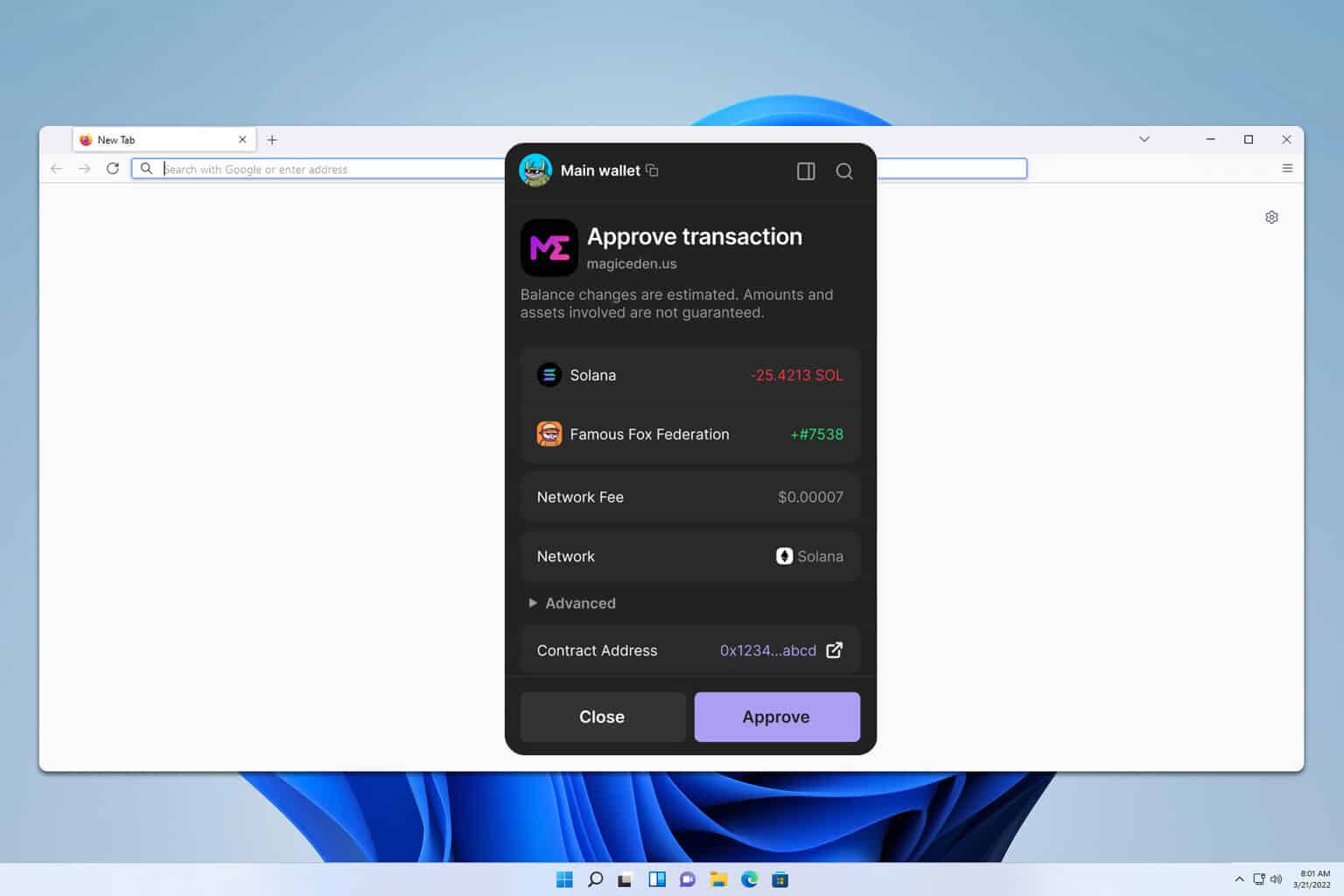
Market interactions usually route through apps like Magic Eden or Solanart. Phantom signs the transaction, then the marketplace executes. That signing step is the choke point where you must pay attention. If a marketplace asks to sign a permissive contract that allows sweeping sales, pause. On one hand marketplaces need approvals to list and sell. Though actually, approving unlimited allowances without understanding them can be dangerous—review the contract permissions or set limits when possible.
Advanced tips for power users
Use a hardware wallet for larger holdings. Period. Layering a hardware wallet with Phantom gives the convenience of a browser UI and the security of a separate signing device. Yes, it’s more setup, but the risk reduction is worth it for serious funds. If you’re staking SOL, review validator reputation and commission rates before delegating. Validator choice matters for rewards and network health.
For developers or frequent traders, enable developer mode sparingly. It exposes raw RPCs and signing utilities that are powerful but can be misused. Also, consider using multiple wallets: one for daily dApp interactions with small balances, another cold-stored for long-term holdings. This separation is low-effort and very effective.
FAQ
Is Phantom safe to use for NFTs and tokens?
Phantom is generally considered secure when used with good practices: strong passwords, offline backups for seed phrases, and cautious approval of dApps. The extension itself uses local encryption. But remember that browser extensions share an environment with web pages, so always vet the sites you interact with and avoid approving transactions you don’t understand.
Can I recover my wallet if I lose my device?
Yes. Recovery relies on your seed phrase (or private key). If you misplace your device but kept a secure backup of the seed phrase, you can restore the wallet on a new install. If you lose both device and seed phrase, funds are unrecoverable—so back up carefully.
Should I use Phantom for everyday small trades?
Absolutely—it’s optimized for quick Solana interactions. That said, keep only what you need for day-to-day use in the hot wallet and move the rest to more secure storage. Tiny test transactions are recommended when trying new platforms.